Your community wants to help. Give them a way in.
Jeff DentonLead Product Developer · 3 min read ·
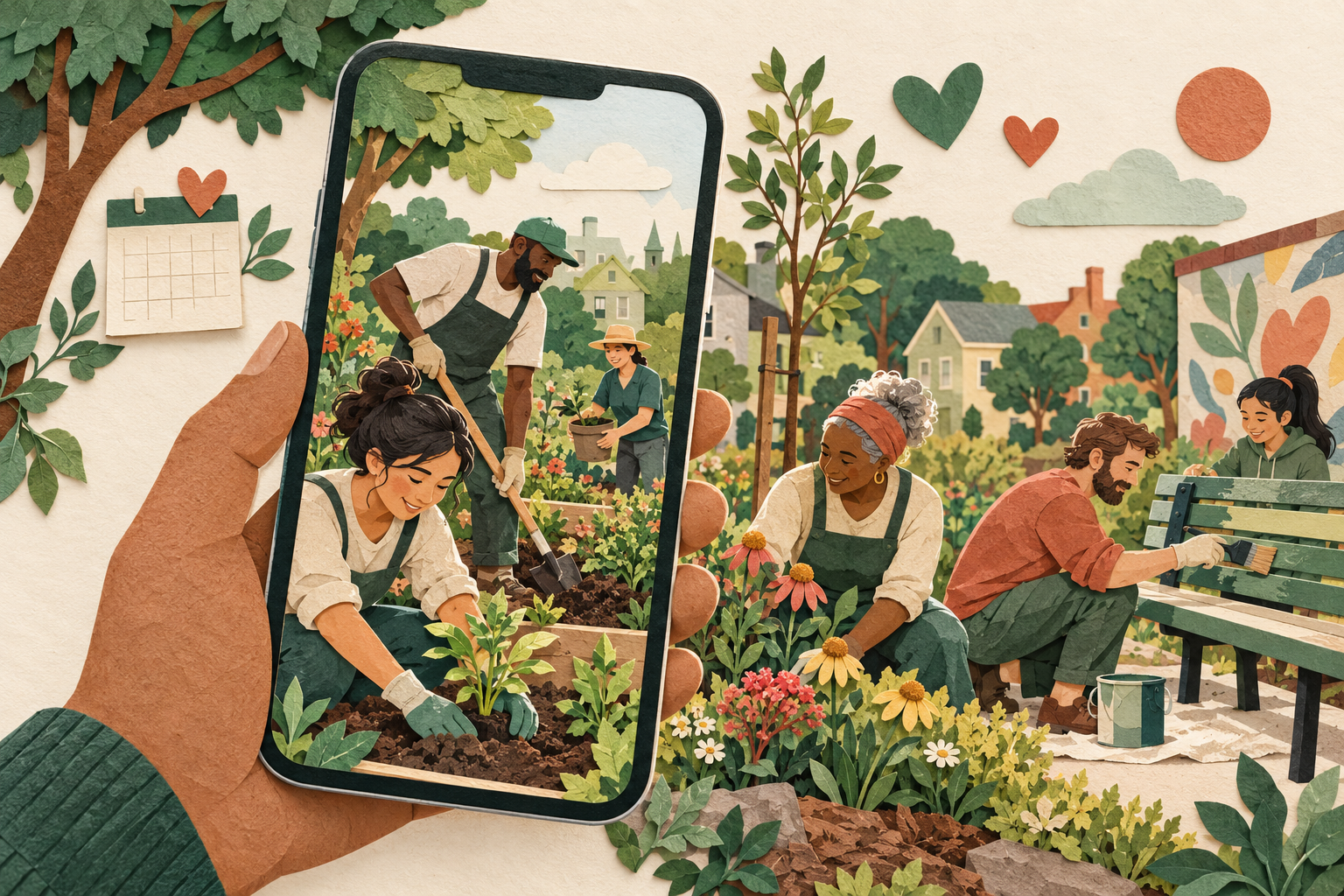
People want to volunteer. Many simply don’t know how to get involved.
In a 2026 study by Gallup and the Kettering Foundation, 36% of Americans said they had wanted to volunteer or participate in organizations improving their communities during the previous year but hadn’t. Among would-be volunteers, 54% were unsure how to participate.
That’s a connection problem worth paying attention to. Organizations need support, and people want to contribute, but the two aren’t finding each other. Helping close that gap is one of the reasons we built GrovLink.
Knowing your name isn’t knowing your organization
Someone could drive past your nonprofit every morning and recognize the sign without knowing much about what happens inside. They might have a general idea of your mission, but no clear picture of your programs, the people you serve, or how they could help.
Maybe they’d volunteer if they knew you needed help. Maybe they’d support a particular program if they knew it existed. Being nearby doesn’t automatically make someone connected.
A recent Chronicle of Philanthropy article by Dominic Ramos-Ruiz describes how community participation can depend on insider knowledge. If you already know someone at an organization, you have a way in. You can ask what’s happening and where you might fit.
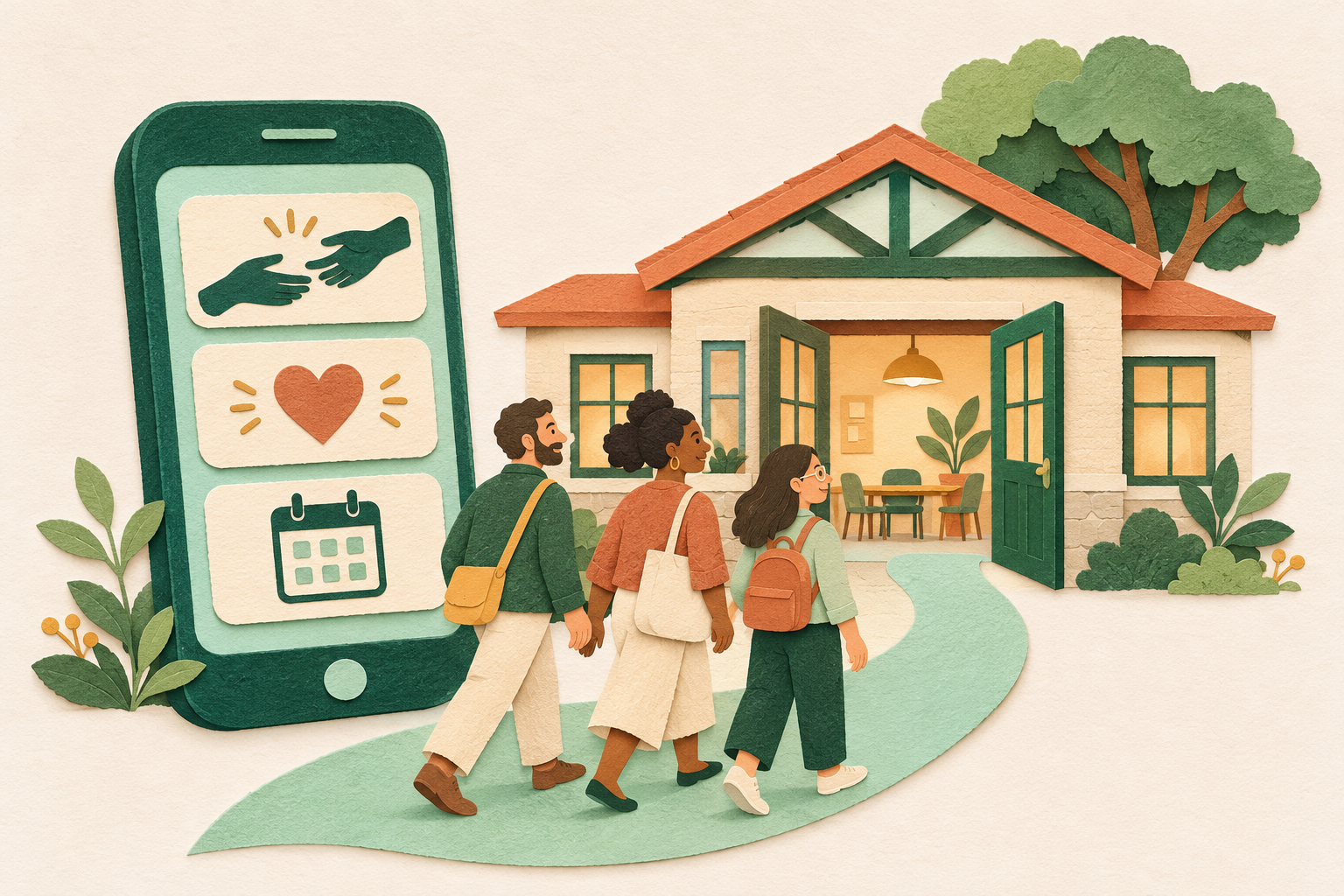
GrovLink is built to make more of that picture available to the broader community through your organization’s own mobile app. What you do, what’s happening, and how people can participate belong together, where someone new can explore them.
One organization, one place to connect
Nonprofits work hard to reach people. Newsletters, social media, text messages, flyers, and personal conversations all help. But the public can end up seeing disconnected pieces of the organization across those channels.
Someone sees an event announcement without learning about the program behind it. A donor receives an appeal but misses the volunteer opportunity they would have enjoyed. A person who could use a service never encounters the post explaining it.
GrovLink brings services, events, volunteer opportunities, giving, and updates together in one public-facing app. Your community has a single point of entry into the organization, with a broader view of its work and ways to take part.
That matters because people don’t necessarily fit into one category. A volunteer can also be a donor. A program participant might invite a neighbor to an event. Someone who comes looking for one thing may discover another reason to stay involved.
Your app gives those connections room to happen within the same space.
A connection that continues
The first introduction still matters. People need to hear about your app through your outreach, your building, your events, and the people already connected to your organization.
GrovLink gives that introduction somewhere to lead.
Once someone has your app, they have a place to return when they’re ready to volunteer, check an event, make a donation, or learn what’s changed. Updates and relevant notifications can keep the work visible between visits, rather than leaving the relationship dependent on another chance encounter with a post.
For staff, it also gives a practical answer to a familiar question: “Where can I find out more?” You can introduce someone to the organization as a whole, with its opportunities and ongoing work together.
Built around participation
What resonated most with me in the Chronicle article was its call to judge technology by whether it supports participation, community, and lasting relationships. That gets to the heart of GrovLink’s purpose.
We’re building a shared platform that makes an organization’s own branded app practical, so more nonprofits can give their communities this kind of connection. The app provides a place for people to see the work, understand where they fit, and stay involved over time.
For the person driving past your building every morning, that could be the difference between recognizing your sign and becoming part of your mission.