Mobile can do more than ask for a donation.

Jeff DentonLead Product Developer · 4 min read ·
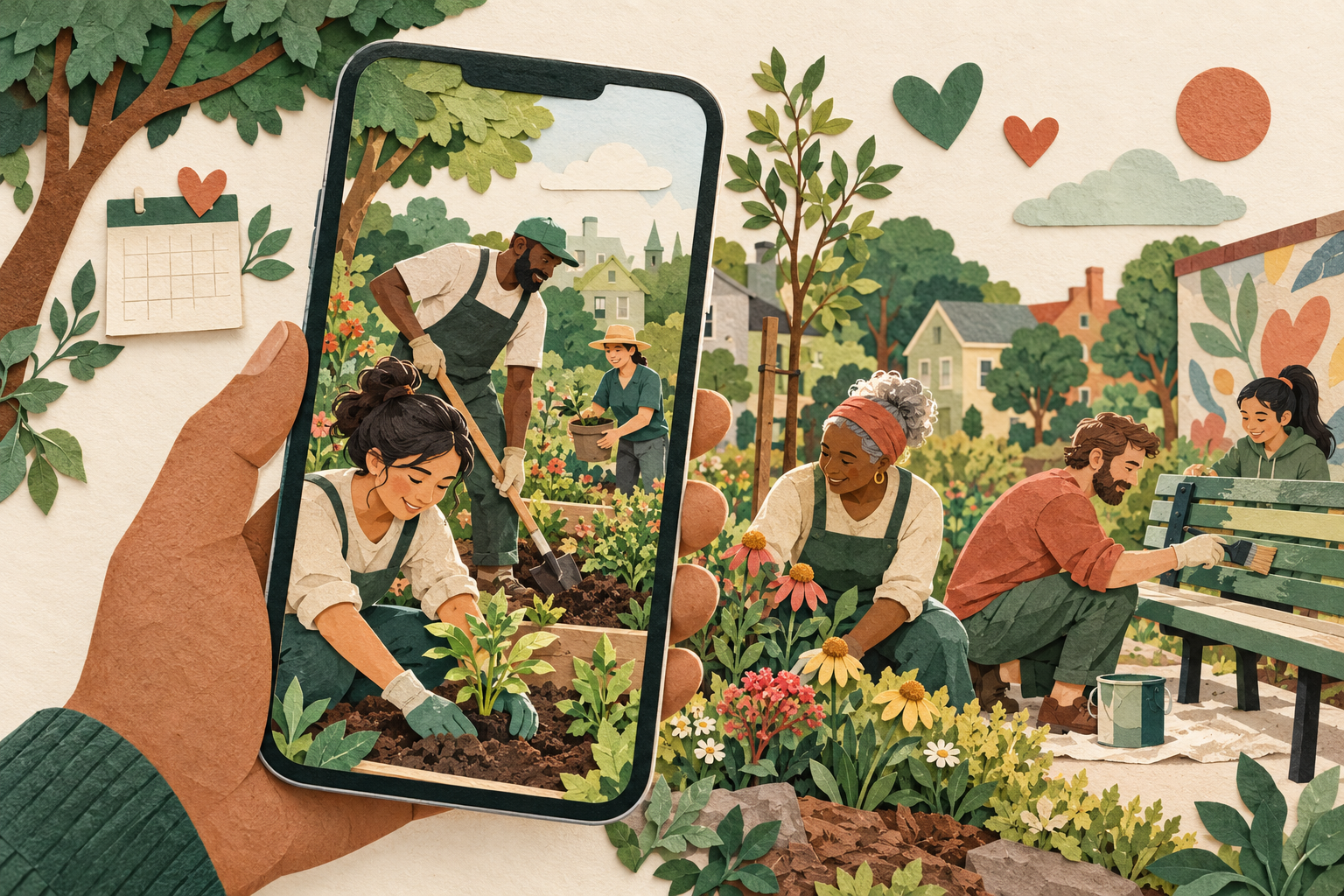
I was browsing Nonprofit Hub’s search results for “mobile” recently, and I found myself getting a little dismayed.
Text to give. Mobile fundraising. Make donating easier. Reconnect with donors so they'll give again.
There was useful advice there. But as I scrolled, the message I kept hearing was: GIVE NOW.
To be fair, that wasn't the whole conversation. Some articles explored broader uses, including apps built around members’ needs. Still, the emphasis on giving left me thinking about how much more we could be doing with the phone already in someone's hand.
Yes, make it easy to donate. Please do. Nobody should have to pinch, zoom, and wrestle with a form to support something they care about.
But is that really the extent of our ambition?
We’ve put a lot of thought into making it easy to give. Have we put as much thought into making it easy to stay connected?
The relationship deserves as much attention as the transaction
Someone gets a text, taps a link, gives $20, and goes back to their day. That's a good thing. The gift matters, and so does the person who made it.
But what happens next?
If the next meaningful contact is another request for money, we've left a lot unexplored. What could that person come to understand about the work? What might they care about more deeply if they could see it taking shape? Where might they find a place for themselves?
Even Nonprofit Hub's article on reconnecting with lapsed donors recommends beginning with connection rather than a donation request. I'd like to give that idea more room in how we think about mobile altogether.
An easy transaction can open a relationship. The relationship still needs tending.
Let people see the mission unfolding
Imagine a community organization restoring a neglected outdoor space. There's a fundraising goal and a donation page, certainly. There's also a story developing week by week.
Neighbors help decide what belongs there. Volunteers clear the space. Rain delays the planting. Someone explains why an accessible path matters. Eventually, people gather in a place they helped create.
A supporter could follow that work through short updates, photos, or a quick video. They could understand the decisions and effort behind the finished result. An invitation could arrive while there's still time to join the next workday.
That gives someone more to care about than a total on a fundraising thermometer. They can begin to recognize the place, understand the purpose, and feel involved in what happens next.
The same possibility exists in quieter work, too. A brief explanation of how a service works can help someone appreciate a need they hadn't understood. You don't need a dramatic success story every week to make the mission more visible.
A connection people can carry with them
Email, websites, and social media can tell these stories beautifully. What interests me about mobile is how closely the story, the invitation, and the response can sit together.
Your app can have a familiar place on someone's phone. A notification they've chosen to receive can bring a timely moment to their attention. The details can be right there when they tap, with a clear next step.
And they can return on their own, without waiting for you to send something.
That combination can make your organization feel more immediate: something people can check in with, learn about, and participate in as life happens.
Of course, a place on someone's phone doesn't automatically create a place in their heart. You earn that through what you share and how thoughtfully you reach out. More alerts won't do the job. Relevant, useful, human communication might.
Give people something to stay connected to
Here's a question I'd bring to the next conversation about mobile: Between this appeal and the next one, what would help someone care more deeply about our mission?
Choose one piece of ongoing work. Think about what people could learn, follow, or join. Start with something your staff can realistically keep sharing, and keep other ways to connect available too.
By all means, make the donation easy.
Give the relationship that surrounds it just as much attention.