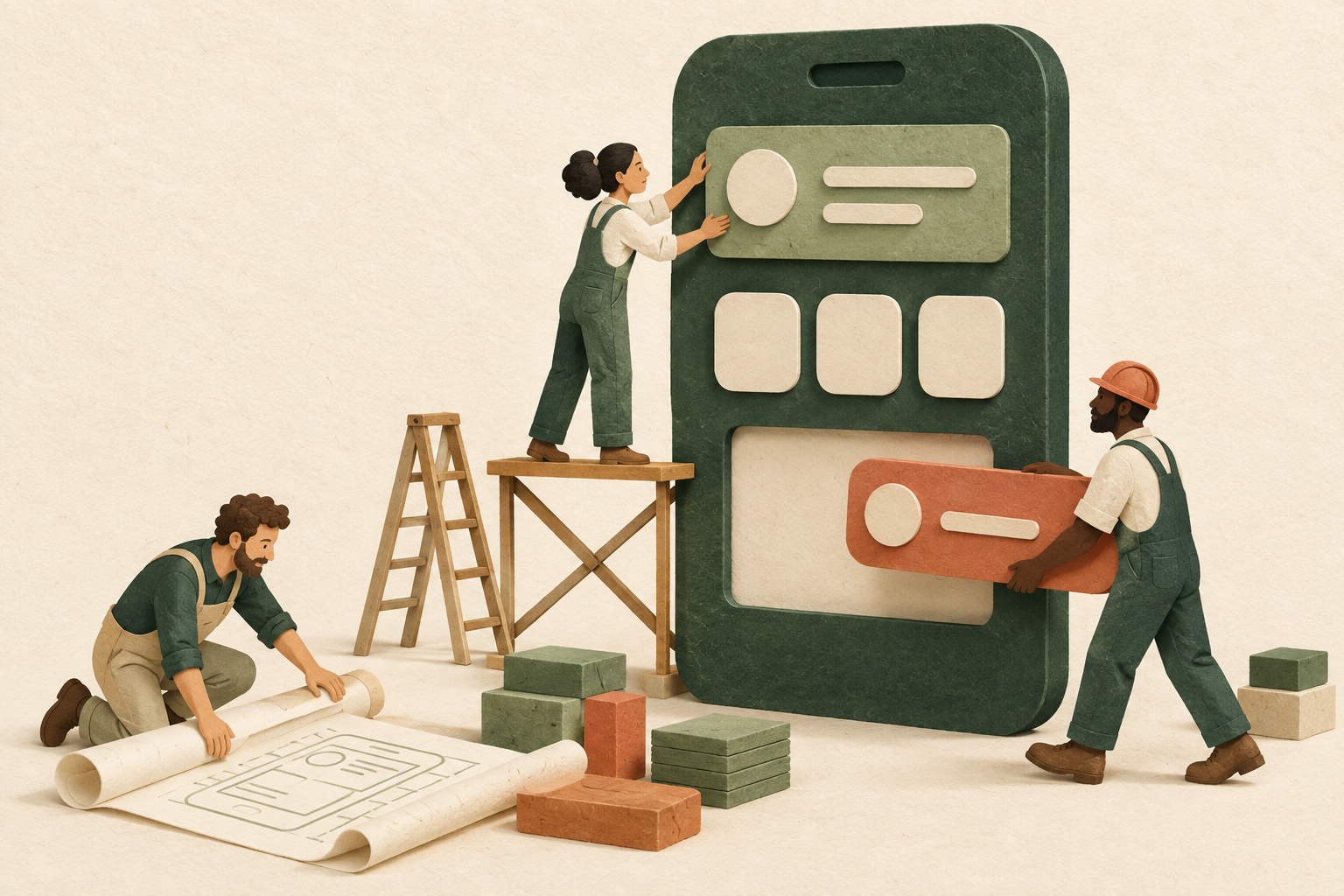
“We should build an app.” Wait…should we?
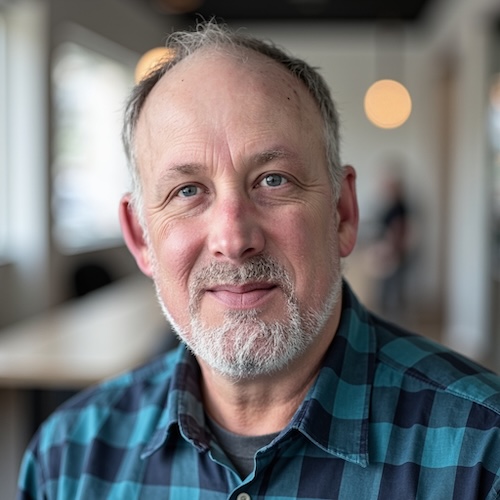
Jeff DentonLead Product Developer · 4 min read ·
“I suggest we build an app.”
I said that to Christopher at Love INC during the conversation that eventually led to GrovLink. Then I went off and started doubting what I'd just suggested.
Heck, I spent a couple of weeks doing research to justify it. 🙂
Something about the idea felt right. But “Jeff thinks this might be cool” is a pretty thin basis for asking a nonprofit to spend time and money.
I do like building things. A lot. That enthusiasm is useful in product development. It's also a reason to stop occasionally and ask whether the thing should exist.
What would bring someone back?
Imagine someone downloads your app, opens it, looks around, and goes back to their day. What would bring them back next week?
I want a pretty specific answer.
Maybe they're participating in a program and need an update before their next visit. Maybe they volunteer regularly. Maybe they support your work and want to see what's happened since they last gave.
Those reasons come from relationships the organization already has, and things people already want to do.
That started to make sense to me. Nonprofit relationships can last months or years. An app could be useful throughout that time.
But if people mainly need your address and opening hours? I'd look closely at whether a good website already does the job.
Start with a reason to return. Then decide whether an app makes it easier.
I wanted the work to be more visible
If you attend a class, you see that class. If you volunteer, you see the work you're helping with. If you donate, you see whichever updates reach you.
I wondered what would happen if people could see more of the organization. Come for service information, discover an event. Check a volunteer opportunity, learn what happened at the last one.
There was something meaningful in that possibility: helping people understand more of what they were part of.
It gave me a better question to investigate than whether nonprofits ought to have apps because everybody else does.
Research helped me ask better questions
Looking into nonprofit technology, cost and staff capacity kept coming up. An idea can be useful and still be impractical once someone has to pay for it and keep it going.
Research on engagement gave me reasons to keep exploring, too. But evidence that people use other apps couldn't tell me whether this one would fit Love INC.
Would people download it? Would the information be useful? Could staff keep it current?
Those questions needed actual users. A promising benchmark couldn't answer them on anyone's behalf.
Who keeps it useful?
Someone still has to check the service information and post the event. If they're already maintaining a website and sending emails, they deserve a say in whether the app fits their week.
The technical work needs an owner too. Updates, app-store requirements, problems when something breaks. GrovLink's shared platform puts that maintenance with GrovLink while each organization manages its own content and branding.
That makes the idea more practical. It doesn't remove the need to plan the day-to-day work.
An encouraging moment
Months after the first conversation, Christopher said he was proud of the app. The Love INC team's discussion turned to the board's enthusiasm and the visibility it could bring.
That encouraged me because visibility was part of the original hope. The idea was starting to make sense to people besides me.
It was still early. The app needed to meet the reality of people using it. I could appreciate the enthusiasm without treating it as proof of better participation or donor relationships.
So...should you?
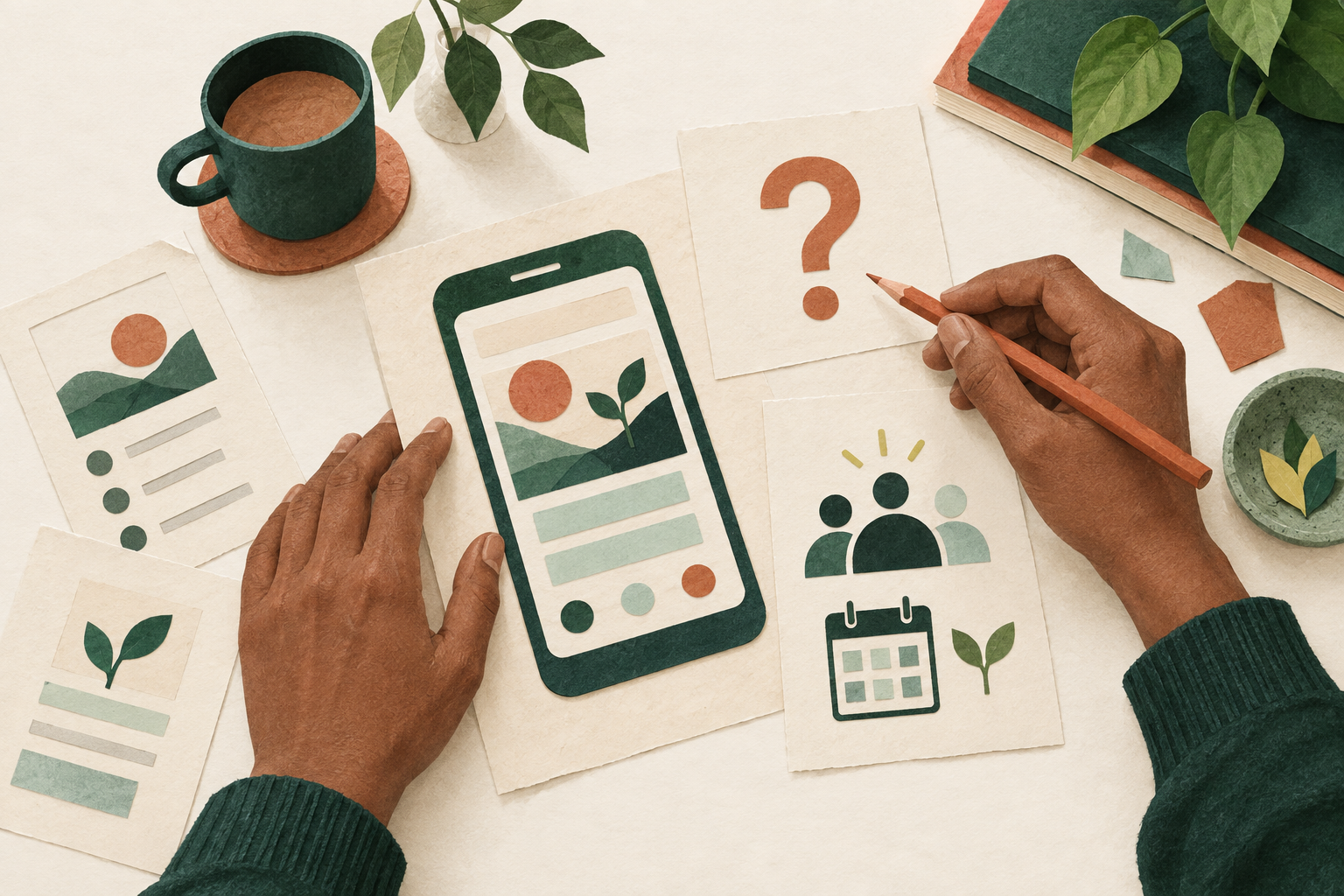
Pick something your community needs to do regularly. Look at how people do it now and where they get stuck.
Then picture the same situation with an app. What gets easier? Can staff maintain it? Does the cost fit? If the answers are fuzzy, spend more time with the questions.
You may find a smaller change that solves the problem. Or a much better reason to build than the one you started with.
I'm glad I followed the instinct behind that first suggestion. I'm also glad we didn't leave it at that.